 Reviews

 Proudly American
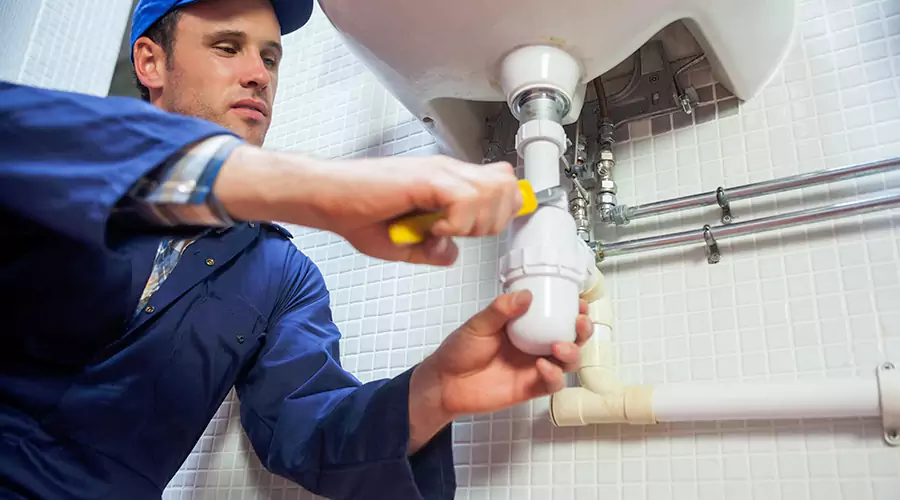
Proper drain venting is a critical, yet often overlooked, component of a home’s plumbing system. Drain vents, also called plumbing vents or vent stacks, play a vital role in maintaining the flow and safety of wastewater. They allow air into the plumbing system, prevent sewer gases from entering living spaces, and maintain proper pressure throughout water pipe installations. Without correct venting, homeowners may face slow drains, unpleasant odors, pipe damage, and even potential health hazards.
This guide explores the importance of drain venting, common issues caused by inadequate venting, preventive measures, and why professional installation is essential.
What Is Drain Venting?
Drain venting involves the installation of vertical or horizontal pipes that introduce air into the plumbing system. These vents serve multiple functions:
- Prevent vacuum formation in drain pipes, ensuring wastewater flows freely
- Release sewer gases safely outside the home
- Maintain balanced air pressure within the plumbing system
Proper venting is essential for all fixtures, including sinks, toilets, showers, and tubs. Typically, these vents connect to a main vent stack that extends through the roof, allowing airflow and gas release without compromising indoor safety.
Why Proper Drain Venting Is Important
Proper drain venting is not just a technical requirement—it directly impacts the safety, efficiency, and longevity of your plumbing system.
1. Ensures Smooth Drainage
Vents allow air to flow into drain pipes, preventing slow drainage, gurgling noises, and siphoning of water from traps. Without adequate venting, clogs and backups become more frequent, affecting all fixtures connected to the system.
2. Prevents Sewer Gas Intrusion
Plumbing vents safely direct harmful gases, such as methane, outside the home. Improper or blocked vents can allow these gases to enter living spaces, causing foul odors and posing potential health risks.
3. Protects Traps and Pipes
Traps under sinks and toilets rely on water to block sewer gases. Inadequate venting can cause traps to dry out, leaving pipes exposed to gases and accelerating corrosion. Proper venting also helps maintain the structural integrity of copper, PVC, or PEX pipe installations.
4. Reduces Water Pressure Problems
Balanced air pressure throughout the plumbing system helps maintain consistent water flow. Proper venting reduces strain on pipes and fixtures, preventing leaks, bursts, and other pressure-related damage.
Common Problems Caused by Improper Drain Venting
When drain venting is insufficient, homeowners may experience a range of plumbing issues:
- Slow drainage in sinks, tubs, or toilets
- Gurgling or bubbling sounds from drains
- Foul sewer odors inside the home
- Water backups or overflowing fixtures
- Frequent clogs due to improper flow
These problems, if left unaddressed, can escalate into major plumbing failures and costly repairs, affecting both water quality and household safety.
Signs Your Home May Have Drain Venting Issues
Homeowners should be vigilant for these warning signs:
- Persistent slow drains even after regular cleaning
- Bubbling or gurgling sounds when water drains
- Unexplained sewer odors in bathrooms, kitchens, or laundry areas
- Toilets that flush poorly or siphon water from other fixtures
- Recurring clogs in multiple drains
Early detection and professional inspection are key to resolving venting issues before they cause serious damage.
Preventive Measures for Proper Drain Venting
Taking proactive steps can protect your plumbing system and extend the lifespan of your pipes and fixtures:
1. Schedule Professional Plumbing Inspections
Licensed plumbers can assess vent stacks, pipe connections, and airflow to ensure all fixtures are properly vented. Inspections help identify hidden blockages or leaks before they compromise the system.
2. Keep Vents Clear
Roof vents should remain free of debris, leaves, or nests. Regular cleaning prevents clogs and ensures proper ventilation for the entire plumbing system.
3. Ensure Correct Installation
Proper vent pipe sizing, placement, and slope are crucial. Professional installation during new construction, remodels, or pipe upgrades ensures compliance with plumbing codes and system efficiency.
4. Maintain Connected Pipes
Regularly inspect copper, PVC, or PEX water pipe installations for leaks or corrosion. Well-maintained pipes prevent additional strain on venting systems and reduce the risk of backups or slow drainage.
Why Professional Plumbing Services Are Essential
Drain venting may seem minor, but improper installation or maintenance can affect the entire plumbing system. Licensed plumbers provide:
- Accurate assessment of venting needs and airflow requirements
- Safe installation, repair, and maintenance of vent stacks
- Detection of hidden blockages, leaks, or pipe damage
- Preventive advice to avoid slow drains, foul odors, and sewer gas intrusion
Professional intervention ensures your home’s plumbing system functions efficiently, safely, and reliably.
Conclusion
Proper drain venting is essential for maintaining efficient, safe, and odor-free plumbing. It ensures smooth drainage, protects traps, prevents sewer gas intrusion, and reduces stress on copper, PVC, or PEX pipe installations.
Homeowners should schedule regular plumbing inspections, keep vent openings clear, and rely on professional plumbers for installation or repair. Investing in proper drain venting today helps protect your home, improve water flow, and ensure a healthy living environment for years to come.